
As the year continues, it can be helpful to take a fresh look at your real estate goals. Whether you are thinking about buying, selling, renting, investing, or relocating, a simple checklist can help you organize your next steps. If You're Buying Review your budget and financing options. If you have already been searching for a home, revisit your list of priorities. Ask yourself: • Which features are essential? • Which features are negotiable? • Which communities are still under consideration? • Does your current budget reflect your goals? If You're Selling Walk through your property and identify repairs, maintenance, decluttering, and improvements that may need attention. If you are considering selling in the coming months, starting early can give you more time to prepare. If You Own a Rental Property Review your rental property's income and expenses. Consider maintenance needs, tenant communication, insurance, taxes, and the overall performance of the property. You may also want to evaluate whether professional property management would make sense for your situation. If You're Considering Real Estate Investing Start with your goals. Think about the type of property you want, your available budget, potential rental income, ongoing expenses, maintenance, and location. Do your research before making a purchase. If You're Moving to Tampa Bay Create a list of communities you want to explore. Consider your commute, lifestyle, housing budget, property type, and long-term plans. Tampa Bay includes a variety of communities, so identifying what matters most can help narrow your search. If You Are Not Ready Yet You do not have to make a real estate decision immediately. Sometimes the best first step is simply gathering information and understanding your options. Make a Plan for Your Next Move Real estate decisions can take time. Whether your goal is to buy your first home, sell your current property, purchase an investment property, find a rental, or relocate to Tampa Bay, having a plan can help you take the next step when the timing is right.
Many homeowners wait until they are ready to list before thinking about preparation. Starting earlier can give you more time to address repairs, organize your home, gather documents, and develop a selling strategy. Start With Your Goals Think about why you are selling and what your ideal timeline looks like. Are you relocating? Downsizing? Buying another property? Moving closer to family? Understanding your goals can help shape your plan. Walk Through Your Home Try to look at your property from a buyer's perspective. Which areas need attention? Are there repairs you have been putting off? Does the home feel crowded? Are there areas that need a deeper cleaning? Create a Maintenance List Write down the repairs and maintenance items that may need attention before listing. You do not necessarily need to complete every possible project. Prioritize the improvements that are most important. Organize Your Documents Gather information about previous renovations, warranties, appliances, HOA documents, and other relevant property records. Having everything organized can make the selling process easier. Research the Local Market Before deciding on a listing price, look at comparable properties and current market conditions. A REALTOR® can help you evaluate relevant information and develop a strategy for your property. Give Yourself Time Preparing early gives you flexibility. Instead of rushing to complete everything right before listing, you can work through your preparation list gradually. If you think you may sell your Tampa Bay home in the coming months, starting the conversation early can help you build a clearer plan.
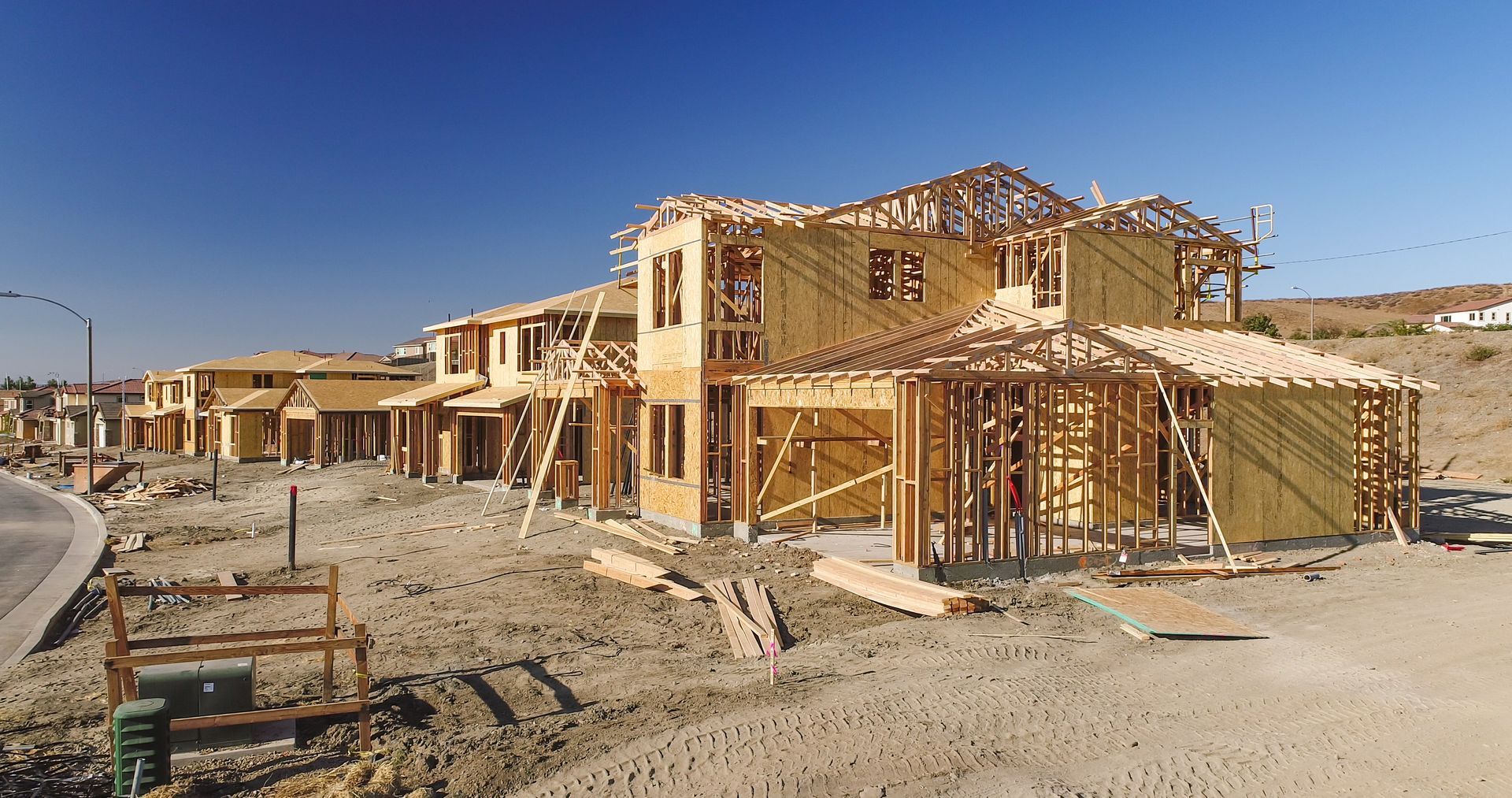
When searching for a home in Tampa Bay, buyers often have to decide between new construction and an existing property. Both options can offer advantages, so the right choice depends on your priorities. Benefits of New Construction New construction may offer modern floor plans, newer appliances, updated finishes, and newer major systems. Depending on the builder and stage of construction, buyers may also have opportunities to select certain finishes or upgrades. Consider the Timeline Timing is an important factor. An existing home may be available for occupancy after closing, while a home that is still being built may require a longer timeline. Make sure the expected completion date works with your plans. Existing Homes Offer More Variety Existing homes can offer established landscaping, mature neighborhoods, different architectural styles, and locations that may not be available in newer developments. You may also find properties with features that are difficult to replicate in newer construction. Consider the Community The home itself is only one part of the decision. Think about the neighborhood, commute, nearby amenities, schools, recreation, shopping, and overall lifestyle. Compare the Total Cost When comparing properties, look beyond the advertised purchase price. Consider upgrades, closing costs, taxes, insurance, HOA fees, maintenance, and other expenses. A home with a lower starting price may not necessarily have the lower total cost after upgrades and other expenses are included. Ask Questions Before Purchasing Whether you choose new construction or an existing home, make sure you understand the property and transaction before moving forward. A REALTOR® can help you compare properties and understand the differences between your available options.

Owning a rental property can provide an opportunity to generate rental income, but being a landlord also comes with responsibilities. Property management involves much more than collecting rent. Marketing the Property When a rental becomes available, it needs to be presented to prospective tenants. This may include creating a detailed property listing, taking quality photographs, and marketing the rental through appropriate channels. Tenant Communication Landlords often receive questions, maintenance requests, and other communications from tenants. Clear and timely communication can help keep the rental relationship organized. Maintenance and Repairs Every rental property requires maintenance. Some repairs are routine, while others can be unexpected. Owners need a plan for handling maintenance requests and addressing property issues. Tenant Screening Finding an appropriate tenant is an important part of managing a rental property. Landlords should establish consistent screening procedures and follow applicable federal, state, and local laws. Financial Management Rental owners should keep track of income and expenses associated with the property. Expenses may include maintenance, repairs, insurance, property taxes, management fees, and other costs. Why Some Owners Hire a Property Manager Some landlords prefer to manage their properties themselves. Others choose professional property management because they do not have the time, live outside the area, own multiple properties, or simply prefer not to handle the day-to-day responsibilities. A property manager can help coordinate many aspects of the rental process. If you own an investment property in the Tampa Bay area, understanding what property management involves can help you decide what approach works for you.
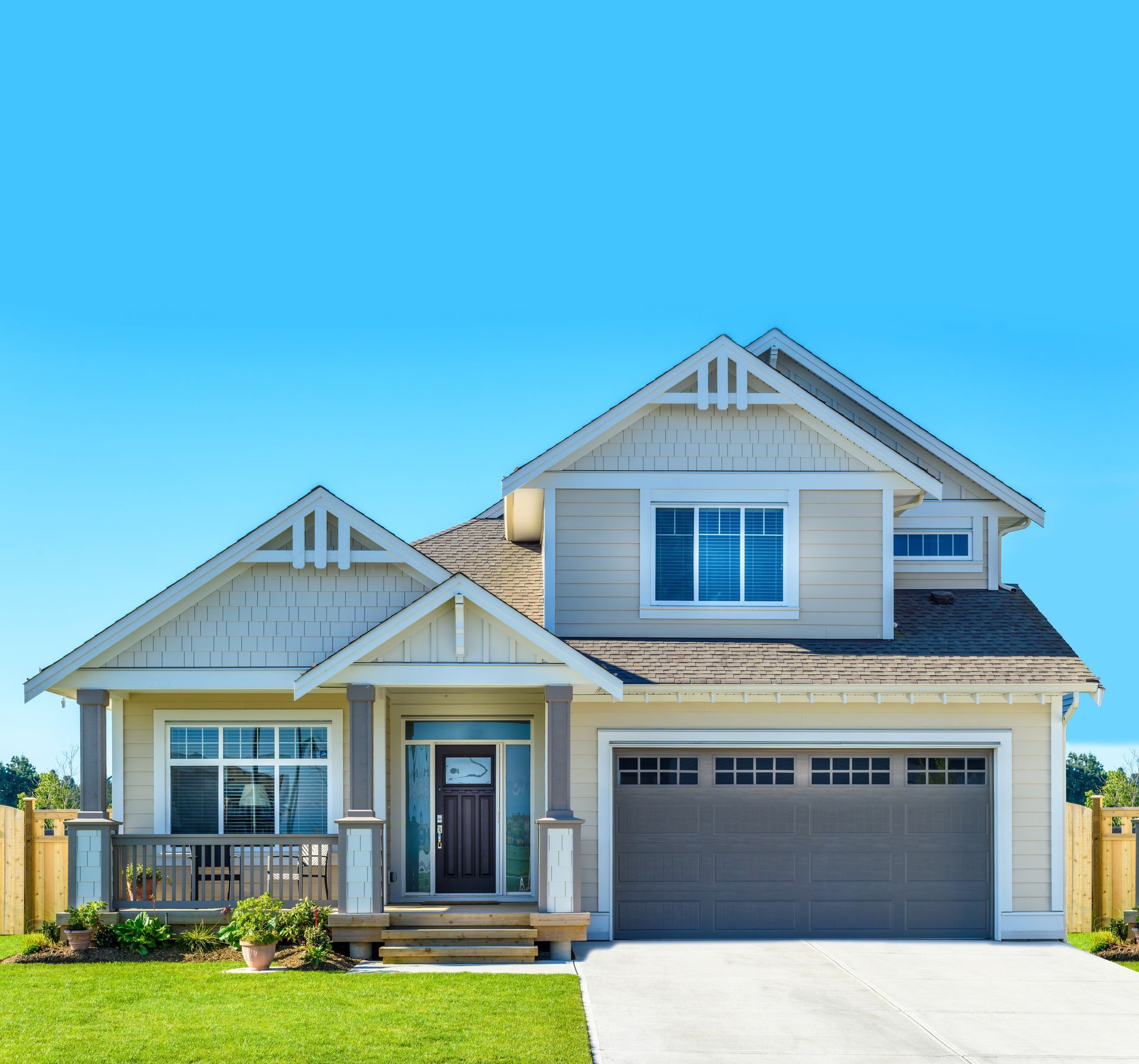
You do not always need a major renovation to make your home more appealing to potential buyers. Small improvements can help your property feel cleaner, brighter, and more inviting. Start With a Deep Clean A clean home gives buyers the opportunity to focus on the property's features. Pay attention to kitchens, bathrooms, floors, windows, appliances, and other areas that receive frequent use. Remove Excess Clutter Too much furniture and personal belongings can make rooms feel smaller. Consider removing items you do not need during the selling process and organizing closets and storage areas. Maximize Natural Light Open curtains and blinds before showings when possible. Bright rooms can feel more open and welcoming. Improve the Entryway The entrance creates an immediate impression. Keep the front door, walkway, porch, and entry area clean and well maintained. Take Care of Small Repairs Walk through your home and look for small maintenance issues. Fixing things like loose cabinet handles, damaged screens, dripping faucets, or burned-out bulbs can help the property feel well cared for. Keep Décor Buyer-Friendly Your home should still feel comfortable, but reducing highly personal décor can make it easier for buyers to imagine themselves living there. Ask Before Spending on Renovations Not every renovation is necessary before selling. Before spending a significant amount of money, discuss the project with your REALTOR®. Depending on your property and local market, some improvements may make more sense than others. Preparing a home for sale does not always require a major investment. Often, thoughtful presentation and basic maintenance can go a long way.
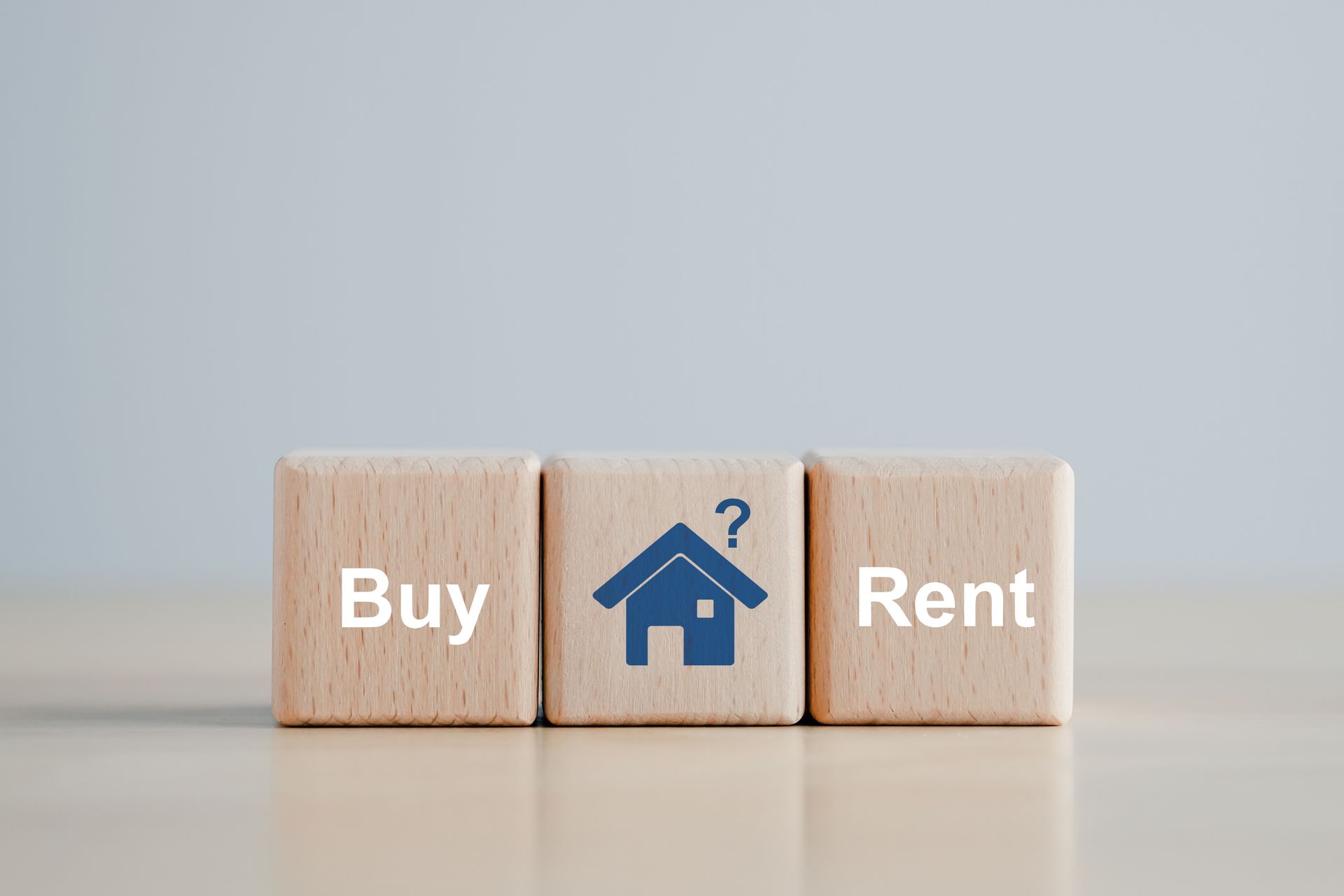
Should you rent or buy? There is no single answer that works for everyone. The right decision depends on your finances, lifestyle, plans, and how long you expect to remain in the area. Why Some People Choose to Rent Renting can provide flexibility. If you are relocating, uncertain about where you want to live long term, or expecting a major life change, renting may give you more flexibility before committing to a purchase. Renters also generally do not have the same responsibility for major property repairs that homeowners have. Why Some People Consider Buying Homeownership may make sense for people who are prepared for the responsibilities of owning a property and expect to stay in the home for an extended period. Homeowners may also build equity over time through mortgage payments and changes in property value. Look at the Complete Cost Do not compare rent and mortgage payments alone. Homeownership can involve mortgage payments, property taxes, insurance, maintenance, utilities, and HOA fees. Renting may involve monthly rent, a security deposit, renters insurance, utilities, and other rental fees. Looking at the complete cost can give you a clearer picture. Consider Your Lifestyle Ask yourself how much flexibility you need. Would you rather have the ability to move more easily, or are you ready to put down roots? Do you want the ability to make changes to the property, or would you prefer fewer maintenance responsibilities? Think About Your Timeline Your expected timeline can be an important part of the decision. Someone planning to stay in Tampa Bay for many years may approach the decision differently from someone who expects to relocate soon. If you are deciding between renting and buying, consider your financial situation, lifestyle, and future plans rather than focusing on just one number.
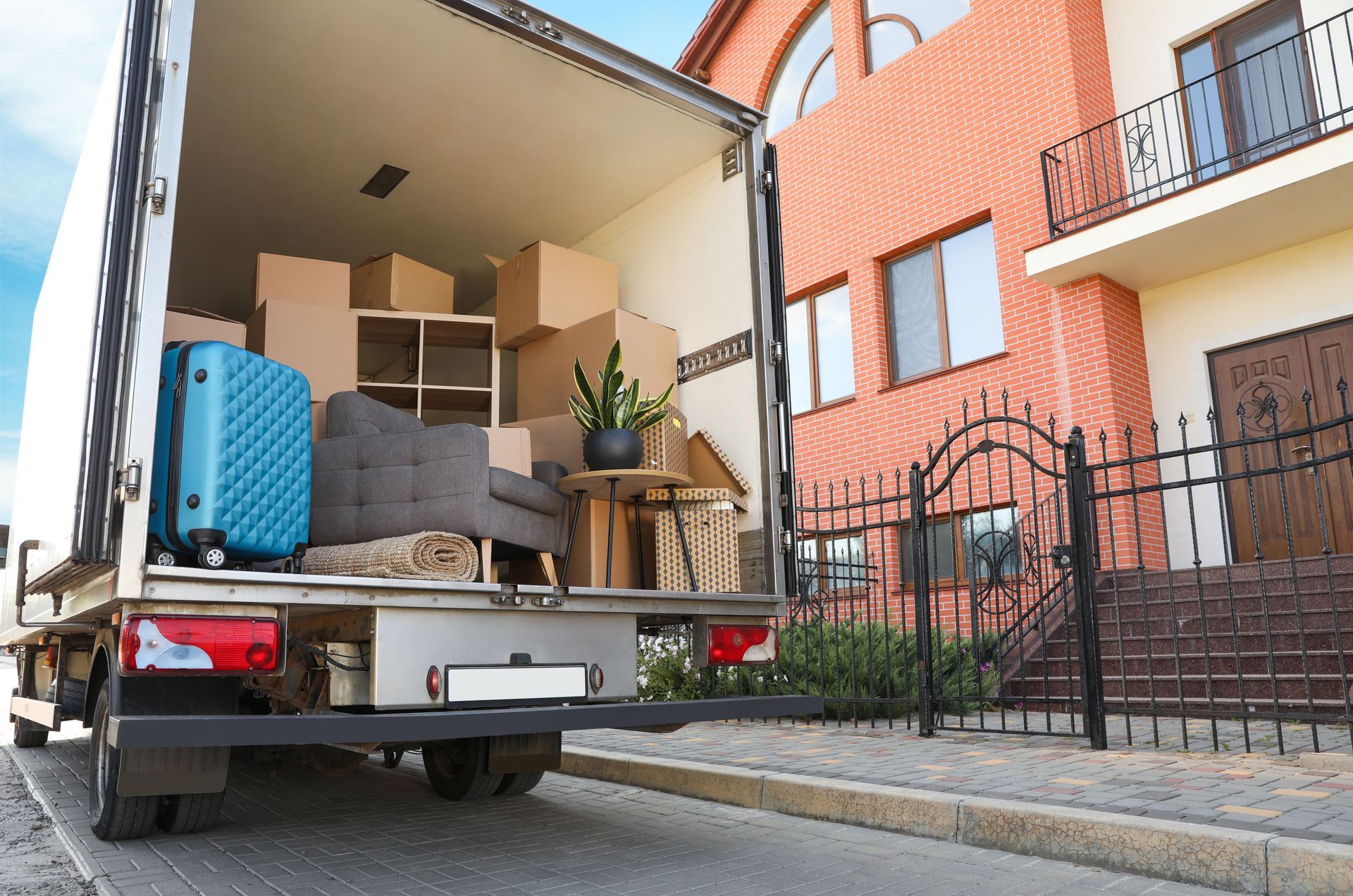
Moving to a new area is exciting, but choosing the right home involves more than finding a property you like online. If you are relocating to Tampa Bay, consider these questions before choosing your next home. 1. How Long Will My Commute Be? Look at your commute during the times you normally travel. A route that looks short on a map may be very different during your daily schedule. 2. What Is Nearby? Consider grocery stores, restaurants, healthcare, parks, shopping, entertainment, and other places you visit regularly. 3. What Type of Community Do I Want? Tampa Bay includes a variety of communities. Think about whether you prefer an established neighborhood, newer development, suburban setting, or another type of community. 4. What Are the Ongoing Costs? Look beyond the purchase price. Consider property taxes, homeowners insurance, HOA fees, utilities, and maintenance. 5. What Does the Home Need? Some homes are move-in ready, while others may need updates. Determine which improvements would be necessary immediately and which could wait. 6. Will the Home Work for My Future? Think about how your needs could change. If you are planning for a growing household, remote work, or other lifestyle changes, consider whether the property can accommodate those needs. 7. Have I Completed My Research? Ask questions about the property and complete appropriate inspections and due diligence before purchasing. The more you know about a property, the easier it can be to make an informed decision. 8. Am I Working With a Local REALTOR®? A REALTOR® who knows the Tampa Bay area can help you explore different properties and communities and guide you through the purchase process. Relocating is a major decision. Taking time to understand both the home and the surrounding community can help you find a property that fits your lifestyle.

Buying your first home can feel overwhelming, especially when you are unfamiliar with the steps involved. Understanding the general process can help you know what to expect and what questions to ask along the way. Step 1: Determine Your Budget Before looking at homes, review your finances and determine what monthly housing payment fits comfortably within your budget. Remember that homeownership expenses can include more than your mortgage payment. Property taxes, insurance, maintenance, utilities, and HOA fees may also need to be considered. Step 2: Explore Financing Many first-time buyers begin by speaking with a mortgage professional. A lender can explain financing options and help you understand how much you may qualify to borrow. Getting this information early can make your home search more focused. Step 3: Define Your Priorities Make a list of your must-haves and nice-to-haves. Consider location, number of bedrooms and bathrooms, property type, home office space, outdoor space, commute, and community amenities. Knowing your priorities can help you compare properties more effectively. Step 4: Begin Your Home Search Once you understand your budget and priorities, you can begin touring homes. Try not to focus only on how a home looks. Consider its location, condition, layout, future needs, and overall cost. Step 5: Make an Offer When you find a home you want to purchase, your REALTOR® can help you prepare an offer based on the property and your goals. The seller may accept the offer, reject it, or negotiate. Step 6: Complete Your Due Diligence After an offer is accepted, there may be inspections, financing requirements, appraisal, title work, and other steps. This stage gives you the opportunity to learn more about the property and complete the requirements of the transaction. Step 7: Close on Your Home Your real estate, lending, and title professionals will help coordinate the final steps. Once closing is completed, the home becomes yours. Buying your first home is a major milestone. Having a clear understanding of the process can make the experience feel much more manageable.

Selling a home involves more than placing a listing online. Preparing your property before it goes on the market can help create a better experience for both you and prospective buyers. Here are seven things to consider before listing your Tampa Bay home. 1. Declutter Your Home Removing unnecessary items can make rooms feel larger and more organized. You do not need to remove everything. Focus on creating clean, functional spaces where buyers can easily imagine themselves living. 2. Complete Small Repairs Walk through the home and make a list of obvious maintenance issues. Loose handles, dripping faucets, damaged screens, burned-out light bulbs, and other small problems may seem minor, but they can affect a buyer's overall impression. 3. Improve Your Curb Appeal The exterior is often the first part of your property a buyer sees. Trim landscaping, clean walkways, remove unnecessary outdoor items, and make sure the entryway looks welcoming. 4. Deep Clean A clean home allows buyers to focus on the property rather than the work that needs to be done. Pay particular attention to kitchens, bathrooms, floors, windows, appliances, and other frequently used areas. 5. Prepare for Professional Photography Online photos are often a buyer's first introduction to your property. Before photographs are taken, make sure rooms are clean, organized, and presented in their best condition. 6. Gather Your Property Information Start collecting information about previous improvements, warranties, appliances, HOA documents when applicable, and other relevant property records. Having these details organized can make the transaction smoother. 7. Discuss Your Selling Strategy Before choosing a listing price, discuss your goals, timeline, property condition, and local market conditions with your REALTOR®. Every home is different, so the right strategy depends on the property and the seller's goals. Preparing early gives you more flexibility and can help you feel more organized once your home officially goes on the market.

Buying a home is one of the biggest decisions you can make. Whether you are purchasing your first home, moving to a new community, or looking for a property that better fits your current lifestyle, knowing what to look for can make the process easier. The Tampa Bay area offers a wide range of communities, property types, and lifestyles. Before falling in love with a particular home, consider the bigger picture. Start With the Location A home can be changed over time, but its location cannot. Think about your daily commute, nearby grocery stores, restaurants, healthcare, parks, shopping, entertainment, and other places you visit regularly. Consider how the location fits your lifestyle today and whether it will continue to work for you in the future. Look Beyond the Cosmetic Features A beautiful kitchen or freshly painted walls can make a home attractive, but buyers should also look at the property's overall condition. Pay attention to major components such as the roof, HVAC system, plumbing, electrical systems, windows, and appliances. A professional home inspection can also help identify issues that may not be obvious during a showing. Consider Your Long-Term Needs Before making an offer, think about how the home will work for you several years from now. Do you need an additional bedroom? A home office? More storage? Outdoor space? A property that meets your needs today may not necessarily meet them a few years from now. Understand the Total Cost Your mortgage payment is only one part of the cost of homeownership. Depending on the property, you may also have property taxes, homeowners insurance, HOA fees, utilities, maintenance, and other expenses. Understanding these costs before you purchase can help you choose a home that fits your overall budget. Think About Resale Potential Even if you plan to stay in the home for many years, it can be useful to consider the property's future appeal. Location, layout, condition, and features can all influence how attractive a home may be to future buyers. Work With a Local Real Estate Professional Buying a home involves many moving parts, from searching for properties and writing an offer to inspections, financing, negotiations, and closing. A REALTOR® familiar with the Tampa Bay area can help you understand the process and evaluate properties based on your goals. If you are thinking about buying a home in Tampa Bay, start by identifying what matters most to you. A clear list of priorities can make your search more focused and productive.